 Florida Legal Information Blog


A car accident can turn an ordinary day upside down in seconds. You may suddenly be dealing with pain, a damaged vehicle, police officers, medical appointments, missed work, insurance calls, and questions you never expected to have to answer.
If you are injured in an Idaho car accident, focus first on your health and safety. After that, the most important things are documenting what happened, preserving evidence, keeping good records, and understanding your options before making decisions that could affect your claim.
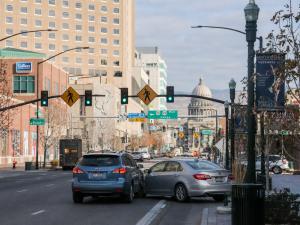
What Should I Do at the Scene of an Idaho Car Accident?
Safety comes first. If anyone may be injured, call 911 and request medical assistance. If the vehicles can safely be moved out of active traffic, do so when appropriate, especially on highways such as I-84 where traffic may continue moving at high speeds.
If you are physically able, gather the other driver’s name, contact information, driver’s license information, license plate number, and insurance information. Also get the names and contact information of any witnesses.
Use your phone to photograph or video the scene. Take pictures of all vehicles involved, the roadway, traffic signs or signals, debris, skid marks, weather conditions, and where the vehicles came to rest if they have not already been moved. Those photographs may become much more important later than they seem at the time.
What If I Start Hurting Later?
Not every injury is immediately obvious. Some people know at the scene that they are seriously hurt, while others begin developing neck pain, back pain, headaches, dizziness, numbness, weakness, or soreness hours or days later.
You do not need to exaggerate what you are feeling, but you should not minimize it either. If you develop legitimate symptoms after a collision, obtain appropriate medical care.
Medical treatment is first about your health, but it also creates a record showing when your symptoms began, what you reported, and what treatment was recommended.
Who Pays My Medical Bills?
There is not always one simple answer because more than one type of insurance may be involved.
If you purchased Medical Payments coverage, commonly called MedPay, under your auto policy, it may help pay qualifying medical expenses. Health insurance may also pay bills while an accident claim is being investigated or resolved.
If another driver caused the accident, that driver’s bodily injury liability insurance may ultimately be responsible for damages resulting from your injuries. In a serious case, however, medical bills are only part of the loss. There may also be lost income, future treatment, rehabilitation, permanent limitations, and other damages.
What If the Driver Who Hit Me Has No Insurance or Not Enough Insurance?
Your own uninsured or underinsured motorist coverage may become extremely important.
Uninsured motorist coverage may apply when the responsible driver has no applicable insurance. Underinsured motorist coverage may apply when the responsible driver’s policy is not enough to cover the harm caused.
In a serious injury case, it is important to identify every potentially available insurance policy early. The limits shown on the other driver’s insurance card may not tell the whole story.
Should I Give the Insurance Company a Recorded Statement?
If you were injured, do not feel pressured to give a detailed recorded statement immediately simply because an insurance adjuster asks for one.
You may still be in pain, taking medication, undergoing testing, missing work, or learning the full extent of your injuries when that call arrives. If you suffered a meaningful injury, it is usually better to speak with an attorney first.
At the Law Office of Roger P. Foley, P.A., the initial consultation is free. We can review what happened, explain what the insurance company is looking for, and help you understand the process before you make a statement that could later be taken out of context or used to minimize your claim.
If we represent you, we can handle communications with the insurance companies while you focus on your treatment and recovery.
What If the Insurance Company Says I Was Partly at Fault?
Idaho follows a modified comparative negligence system.
Under Idaho law, an injured person’s own negligence does not automatically prevent recovery as long as that person’s negligence is less than the negligence of the person from whom recovery is sought. Any recovery may then be reduced according to the injured person’s percentage of fault.
For example, if someone suffered $100,000 in damages and was found 20 percent responsible for the crash, the damages could be reduced by 20 percent.
This is why evidence matters. Photographs, witnesses, video, vehicle data, road conditions, physical evidence, and statements made by the people involved can all affect how fault is evaluated. An insurance company’s first opinion about responsibility is not necessarily the final answer.
What Evidence Should I Save?
Keep anything that may help explain the accident, your injuries, and the financial effect of the crash.
That includes photographs and videos, insurance letters and emails, towing documents, repair estimates, medical bills, medical records you receive, prescription information, and documentation of missed work.
In a more serious case, additional evidence may include surveillance video, traffic footage, vehicle event data, cell-phone records, 911 recordings, employment records, electronic driving logs, maintenance records, and commercial vehicle information.
Evidence is usually much easier to preserve now than it is to recreate months later.
How Long Do I Have to File an Idaho Car Accident Injury Claim?
For most personal injury claims based on negligence, Idaho law provides a two-year statute of limitations.
That is a legal deadline, not a recommended waiting period. Evidence can disappear long before two years have passed. Witnesses become harder to locate, vehicles are repaired or destroyed, video may be overwritten, and memories become less precise.
A serious injury claim should be evaluated well before the deadline is close.
When Should I Talk to a Lawyer?
Not every accident requires an attorney. If nobody was injured and the only problem is minor vehicle damage, legal representation for a personal injury claim may not be necessary.
The situation changes when someone has actually been hurt. If you were hospitalized, may need surgery, are missing significant time from work, have suffered a serious or permanent injury, are being blamed for the collision, were hit by a commercial vehicle, or are concerned that there is not enough insurance to cover your losses, it makes sense to have the case reviewed early.
A serious injury case may involve identifying responsible parties, locating insurance coverage, preserving evidence, reviewing medical records, documenting lost income, and evaluating future medical needs. Insurance companies deal with accident claims every day. Most injured people do not.
Frequently Asked Questions About Idaho Car Accidents
Do I Have to Go to the Emergency Room After an Idaho Car Accident?
No. Not every crash requires an emergency-room visit. The appropriate level of care depends on your injuries and symptoms.
Some injuries require immediate emergency treatment, while others become more noticeable later. If you develop significant pain, headaches, dizziness, numbness, weakness, or other concerning symptoms, do not ignore them simply because you initially felt relatively normal.
Can I Recover If I Was Partly at Fault?
Possibly. Idaho’s comparative negligence law allows recovery when your negligence is less than the negligence of the person from whom you are seeking damages. Your recovery can then be reduced according to your percentage of fault.
What If the Other Driver Has No Insurance?
Your uninsured motorist coverage may become important, depending on your policy. A serious case should also be reviewed to determine whether another person, vehicle owner, business, employer, or insurance policy may be involved.
What If the Insurance Company Offers Me Money Right Away?
Be careful if you are injured and the insurance company makes an early settlement offer.
The offer may come before you know whether you will need additional treatment, miss more work, suffer permanent limitations, or discover additional insurance coverage. A settlement usually includes a release, and once a claim is fully released, it may be over.
If you suffered a meaningful injury, it is worth having the situation reviewed before signing anything.
When Should I Call an Idaho Car Accident Lawyer?
You probably do not need a personal injury lawyer because someone caused a small dent in your bumper and nobody was hurt. The situation is different when you are actually injured.
The Law Office of Roger P. Foley, P.A. offers a free initial consultation for people injured in motor vehicle accidents throughout the Treasure Valley, including Boise, Meridian, Nampa, Eagle, Kuna, and Caldwell, as well as serious personal injury cases throughout Idaho.
If we represent you, we can deal with the insurance companies and help guide the claim while you focus on your treatment and recovery.
The Bottom Line
After an Idaho car accident, focus on the things you can control. Take care of your health, document what happened, preserve evidence, keep your records, and do not let yourself be pressured into making important decisions before you understand them.
If you have been injured in a car accident in the Treasure Valley or elsewhere in Idaho, contact the Law Office of Roger P. Foley, P.A. to schedule a free consultation. We can review what happened, explain the insurance and evidence issues, and help you understand your options before you make decisions that may affect your claim.